 East Jersey Bound
 The Lord
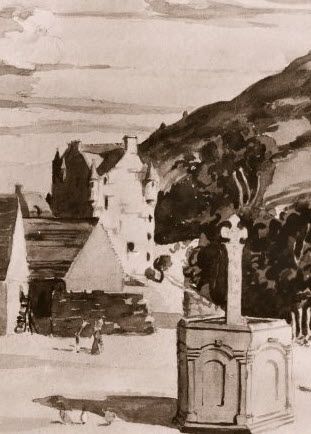
Lord Neill Campbell of Ardmaddie
1630-1692
Brother of the Earl of Argyll who rebelled in May 1685. Led the voyage of the 'America Merchant' in 1685.

Scottish emigrants to East New Jersey in the 1680s
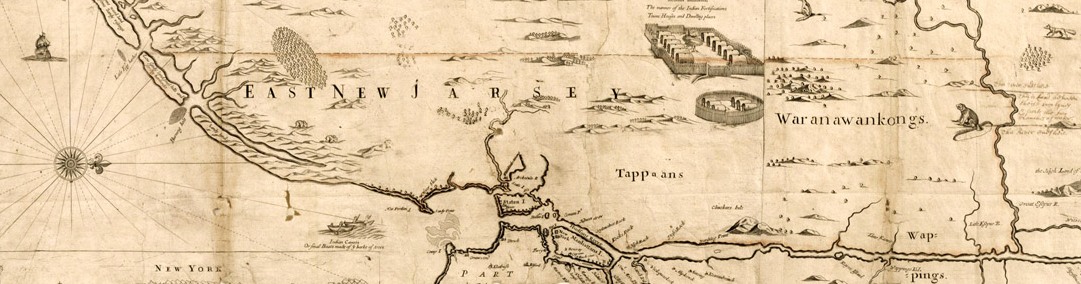
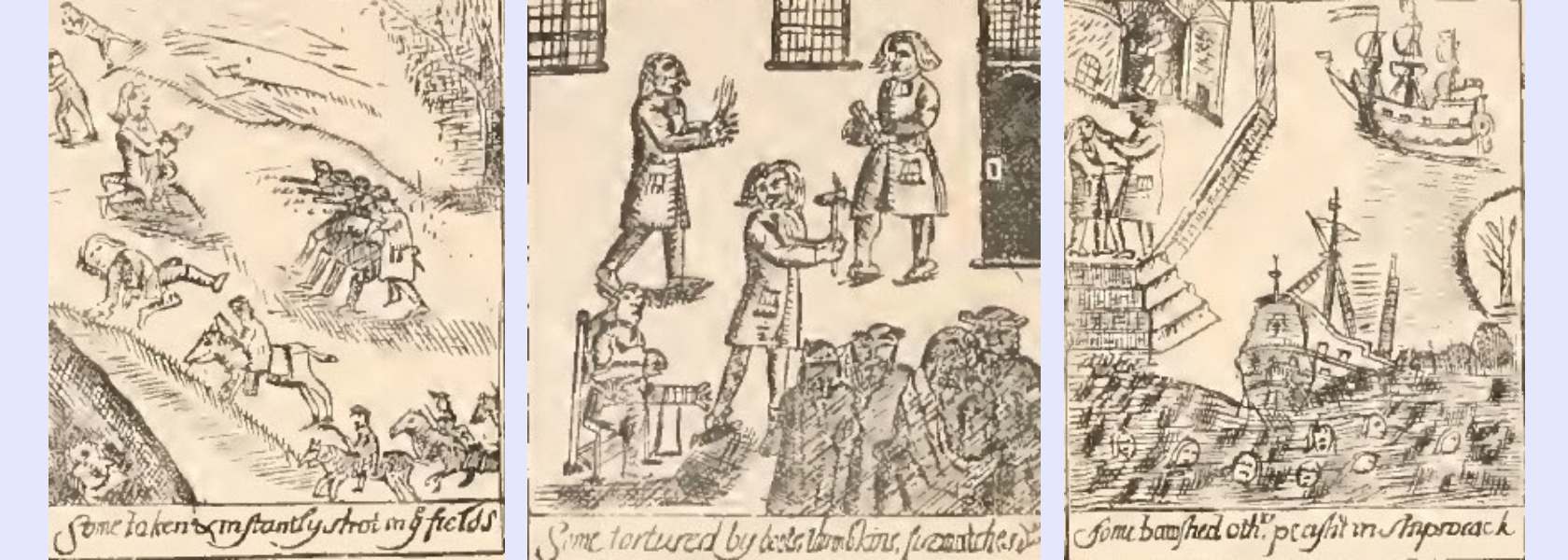
Between 1683 and 1685 several hundred Scots emigrated to East New Jersey, home to the native Lenape and some European settlers. This venture has been called Scotland’s only successful colony, predating the disaster than was the Darien expedition.
Some were inspired by the visions of a new settlement set out by the Quaker, Robert Barclay of Urie and the Presbyterian, George Scot of Pitlochie, while others were banished as rebel Covenanters.
There are many fascinating stories about how they came to leave Scotland and what became of them. Some thrived as merchants, farmers, estate owners and skilled craftspeople, while others barely got by or moved elsewhere. Scots played a significant role in the governance of the province and had a lasting influence.
SITE UNDER DEVELOPMENT
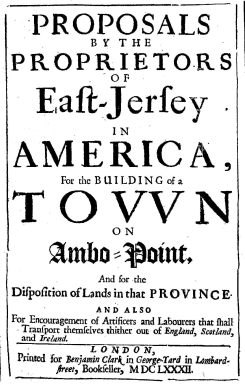 The emigrants were drawn mainly from the Central Lowlands and North East of Scotland, from many parts of the stratified society of the time.
They were a diverse lot: Royalists, religious moderates, Covenanters and Quakers. About a third of those embarking between 1683 and 1685, family members included, were free emigrants, two-fifths indentured servants and the remainder transported prisoners.
Amongst their number were merchants, younger sons of landowners, skilled artisans, farmers, agricultural workers and their family members. Three quarters were male and one quarter female, most were young adults, and over 15% were children.
Brother of the Earl of Argyll who rebelled in May 1685. Led the voyage of the 'America Merchant' in 1685.
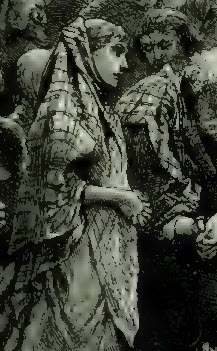
Prisoner held captive with over 100 others in Dunnottar Castle before her transportation. Married and returned to Scotland.

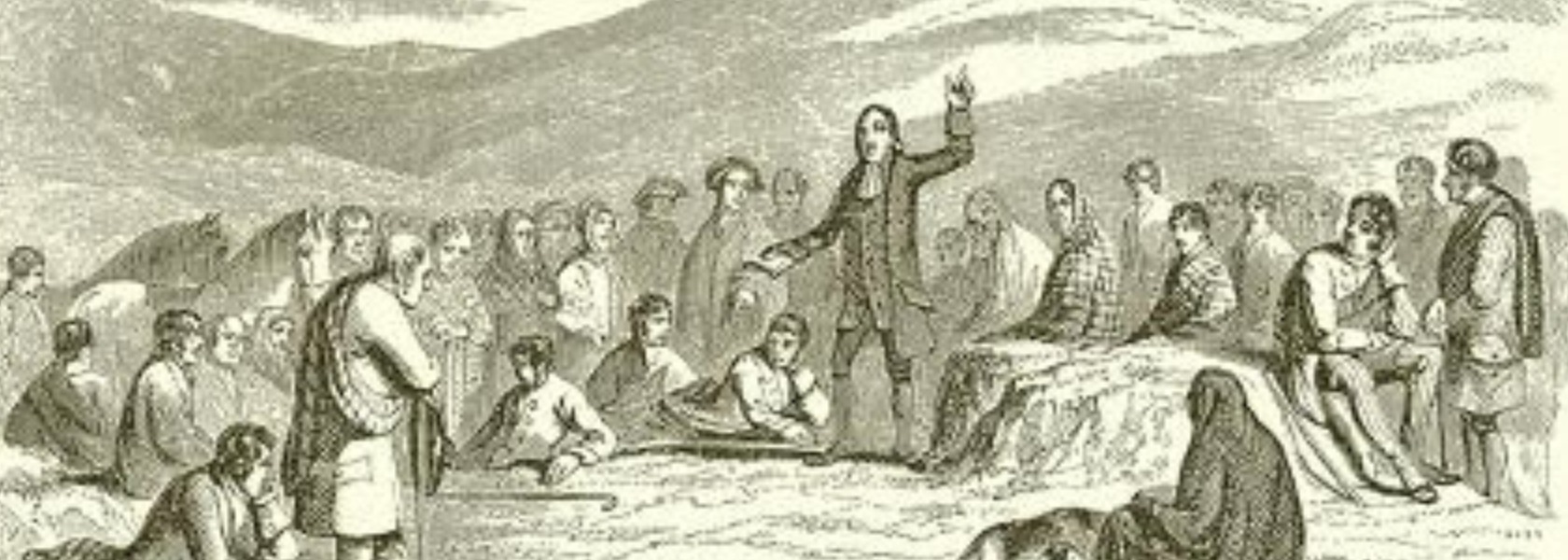
Famous field preacher. Imprisoned, banished and returned to Scotland via a French prison.
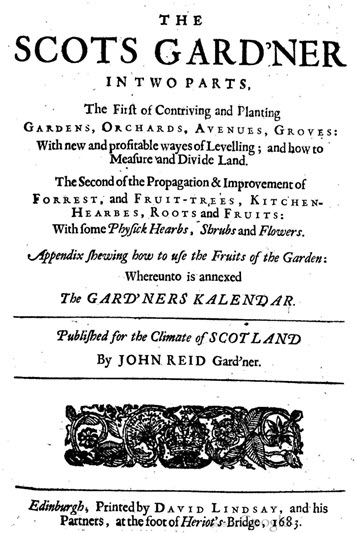
Author of 'The Scots Gard'ner' and an overseer of the emigrant party aboard the 'Exchange' in 1683.

‘East Jersey Bound’ has been developed in undertaking postgraduate research into the backgrounds, motivations and outcomes of Scots who emigrated to New Jersey in the 1680s. It uses off-the-shelf genealogical software (Family Tree Maker and TNG) as a means of presenting the individuals and families involved and recording their connections.
It contains details of over 2,500 individuals including over 600 who emigrated between 1683 and 1702, the vast majority before 1685. The others not only their next generation but also their kin and associates in Scotland, along with diverse others who were involved in some way with the colonial venture: absentee landowners, emigration agents, correspondents and other associates.
The work strives to join up histories in Scotland and colonial America and draws on draws on 280+ sources, making extensive use of archives such as New Jersey Early Land Records and National Records of Scotland (NRS). A background paper explains more about the work involved in constructing the database.
Additional content is being developed to illustrate the story of the Scots in East Jersey and bring to life some of the significant protagonists.
The building of the database was facilitated by the National Records of Scotland, who provided credits for analysis of birth, marriage and testamentary records held online on Scotland’s People.
Contemporaries and historians
‘East Jersey Bound’ facilitates searching for details of the Scots emigrants to East Jersey, including their families, important life events, property dealings, wills occupations, religion and networks. It provides a bridge for looking at the emigrants in Scotland before they left and what happened to them afterwards, bringing out interconnections between families not previously identified.
The database uses GEDCOM structure which will be familiar to many visitors interested in family histories. This enables the user to look at detail on the individuals and follow links to their family members, look at branches of family trees in different views. You may also search sources and places. There are Simple and Advanced search functions and several possibilities to export information you find.
New people and records continue to be added to the site.
Please note: 'USA' is used ahistorically in the database rather than 'Colonial America' in order for the maps function to work.
The site does not currently hold media files.
This site strives to document all sources. If you have something to add, please let us know.